

Clearer conversations start here
Talk about health with more confidence.
Practical guides for preparing questions, describing what you notice, and making complex health information easier to discuss.
About Health Talking
Good health conversations are easier when you can organize what matters, ask clearly, and leave knowing what comes next.
01
Prepare with purpose
Simple prompts help you gather the context worth bringing.
02
Ask without guessing
Plain-language questions can clarify options and next steps.
03
Keep perspective
General information supports—not replaces—qualified care.
Conversation guides
Practical reading for the next conversation.
Start with the part that feels hardest: gathering context, asking about a medication, describing a change, or confirming what happens next.

Prepare a better question
Turn a vague concern into a useful starting point.
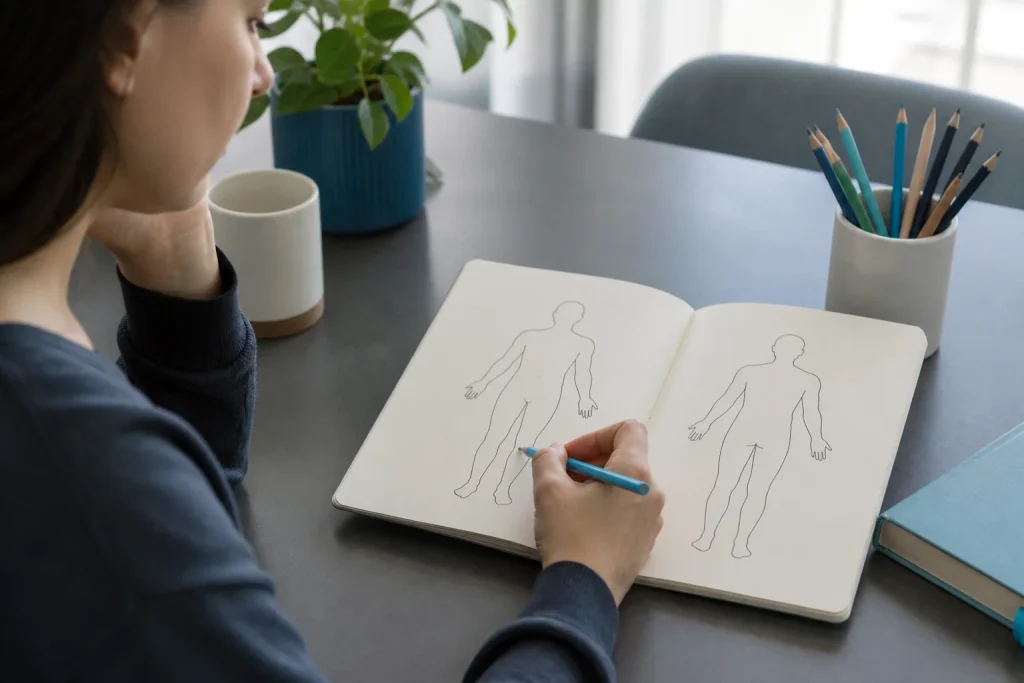
Describe what you notice
Organize timing, location, and changes in plain language.

Ask about a new medication
Clarify purpose, use, possible effects, and follow-up.

Connect daily context
Bring sleep, stress, movement, and routines into the picture.
A simple conversation framework
Give the conversation a clear shape.
Three calm steps help you prepare without trying to diagnose yourself.
Start with what changed.
Focus on the timing, pattern, location, and daily impact you can actually observe. You do not need a diagnosis to describe your experience clearly.
Bring a short, useful list.
Group medications, relevant history, questions, and changes on one page so the most important details are easier to find.

Close the loop.
Before the conversation ends, repeat the next step in your own words and ask when, how, and whom to contact if something changes.
Useful context
Health questions rarely live in isolation.
Everyday routines, measurements, and other perspectives can help make a conversation more complete.

Plan preventive conversations
Ask what fits your age, history, and circumstances.
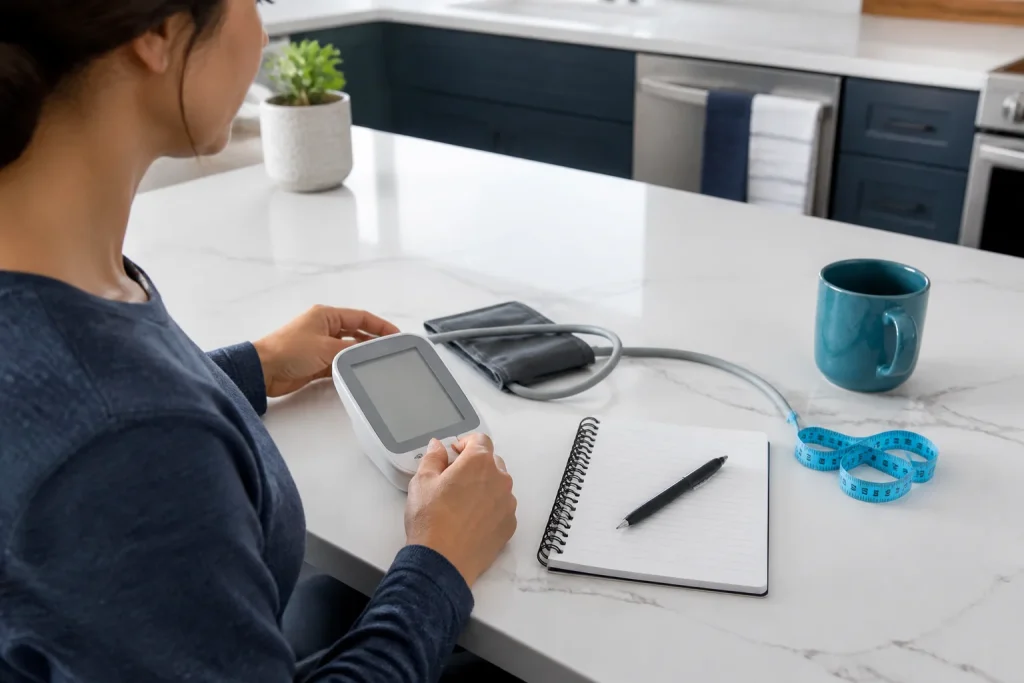
Understand common numbers
Learn what a value represents before interpreting it.

Seek another perspective
Know when more context could help you decide.
Latest reading
Start with one useful next step.



Editorial questions
Not sure where to begin?
Tell us what kind of general-information guide would make a health conversation easier to prepare for. Please do not send urgent or sensitive medical details.